
Lifestyle Habits
The Rhythm of Daily Supplement Habits: Observations on Active Lifestyle Routines
Adrian Setiawan
·
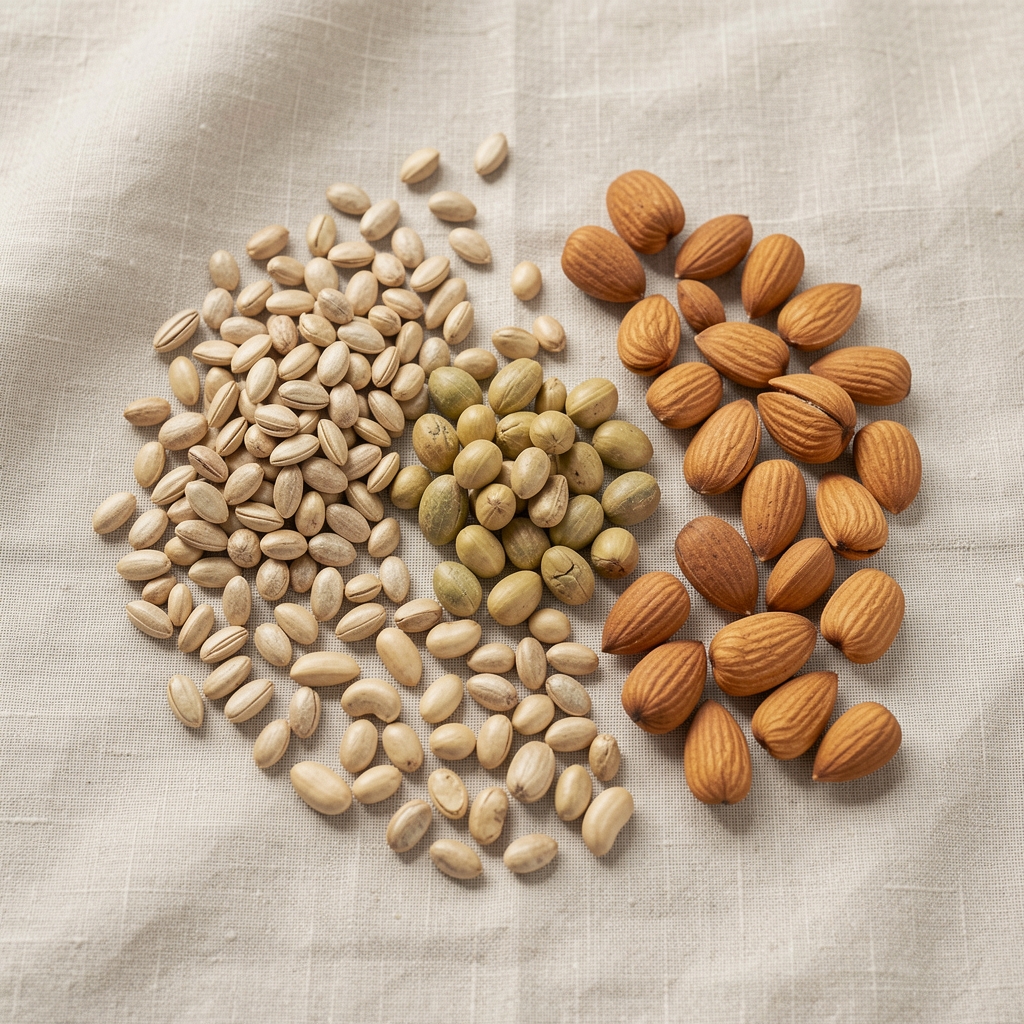
Jakarta, January 2026 — Field observation: mineral supplement habits in the Sudirman business district
On a Monday morning in Jakarta's Sudirman corridor, two containers placed beside a glass of water tell a quiet story about how active men in Indonesia are choosing to approach their daily mineral awareness. One holds a zinc supplement. The other contains magnesium. The practice, observed repeatedly across four weeks of field documentation, is unhurried and deliberate — a small but considered element of an active man's daily nutrition routine.
Zinc and magnesium occupy a particular position in the daily supplement awareness of active men in Jakarta. Unlike multivitamin complexes — which appear frequently in the supplement routines of the men documented here — zinc and magnesium supplements tend to be selected individually, with a degree of specificity that reflects an engagement with published nutritional information rather than convenience purchasing.
Zinc, in nutritional literature, is noted as contributing to daily nutritional balance. It is found naturally in meat, seeds, and legumes — food sources that feature prominently in Indonesian cuisine. Despite this dietary availability, zinc supplement products were among the most commonly observed items in the personal supplement arrangements documented across the four-week field period. Several of the men observed noted that their daily zinc awareness had developed through a reading of nutritional information rather than through any formal consultation.
Magnesium's presence in the same arrangements followed a distinct pattern. Associated in nutritional research with muscle function awareness, magnesium is found in nuts, greens, and grains — again, foods available within the Indonesian diet. Yet magnesium supplement products appeared consistently in the routines of men who described themselves as committed to fitness habits, movement routines, or strength support practices as part of their active lifestyle.
Across the four weeks of observation, the consistent pattern was morning supplementation. The practice typically occurred between 06:30 and 08:00, often alongside breakfast or immediately before it. This timing aligns with a broader pattern of active men embedding supplement habits into the rhythm of an established morning routine rather than treating supplementation as a separate, prescribed activity.
In the majority of cases observed, zinc and magnesium were taken as separate individual supplements rather than as part of a combined mineral complex. The preference for individual supplements over combined formulations appeared to correlate with a greater degree of engagement with the nutritional literature: men who separated their zinc and magnesium were more likely to discuss specific nutritional reasons for their choices.

The editorial literature on zinc's role in men's nutrition is substantial. Published nutritional research notes zinc's contribution to nutritional balance, and the mineral appears regularly in the compositions of multivitamin-for-men products. Among the men documented in Jakarta, zinc supplement awareness was often described as one element within a broader nutritional picture — considered alongside dietary zinc from whole food sources rather than as a standalone solution.
Several men noted that they approached their zinc supplement habit as an extension of dietary awareness rather than a correction of perceived insufficiency. "I eat well. But I also travel for work, and I know that my food on those days is less consistent," observed one man encountered in Sudirman. This framing — supplementation as nutritional insurance rather than necessity — appeared repeatedly in the field observations and is consistent with the editorial literature on supplement motivation in urban professional populations.
Zinc-containing foods documented in the diets of the men observed included tempeh, tofu, beef, eggs, and pumpkin seeds. The prevalence of these foods in Indonesian cuisine suggests that zinc intake through diet is available; the supplement habit documented appears to reflect a considered decision to reinforce nutritional variety rather than compensate for a dietary gap.
"The pattern of zinc and magnesium supplementation in Jakarta's active male population reflects a growing nutritional self-awareness — an engagement with the published literature that translates into daily habit."
Adrian Setiawan — Field note, 15 January 2026
Magnesium occupied a distinct space in the supplement awareness of the men documented. Where zinc was described in terms of general daily nutritional balance, magnesium was more frequently discussed in relation to physical activity. Men engaged in regular fitness habits — those who described weekly gym attendance, morning runs along Jakarta's canal paths, or evening movement routines — were more likely to include magnesium in their daily supplement stack.
Nutritional research notes magnesium as a mineral associated with muscle function awareness. Its natural sources — nuts, leafy greens, whole grains — are present in Indonesian cuisine, though the consumption patterns of urban working men in Jakarta can be irregular. The supplement habit documented here appears consistent with a broader pattern of urban active men seeking nutritional consistency through supplementation when dietary consistency is variable.
Among the men who took magnesium separately from their other supplements, the most common preference was magnesium glycinate — a form noted in nutritional literature for its bioavailability characteristics. This specificity of product choice underlines the editorial observation that supplement selection in this population reflects engaged nutritional awareness rather than casual purchasing.
The field observations across four weeks revealed a meaningful distinction between men who selected individual zinc and magnesium supplements and those who chose combined mineral complex products. The latter group tended to frame their approach in terms of convenience and general nutritional support for an active lifestyle. The former group demonstrated a more granular engagement with the nutritional literature — one that considered the different absorption characteristics and timing of individual minerals.
This editorial observation is not a recommendation. Neither approach is presented here as superior. Rather, the pattern reflects a spectrum of engagement within what appears to be an overall increase in nutritional awareness among active men in Jakarta. The men documented across the four weeks shared a common commitment to daily wellness; what differed was the level of specificity with which they pursued it.
A combined mineral complex, as noted in published nutritional research, provides a convenient pathway to daily mineral variety. For men whose primary interest is in supporting nutritional balance alongside a varied diet rather than in achieving specific micronutrient targets, the mineral complex product occupies a practical and well-documented role in a daily supplement routine.
Articles published on Raloven Letters are editorial in nature and reflect the writers' observations on men's dietary supplement habits and active lifestyle routines. The content is not intended as professional health advice. Readers with specific health concerns are encouraged to speak with a qualified health professional.

Adrian Setiawan is the primary editor of Raloven Letters, based in Jakarta. He documents men's daily supplement habits and active nutrition practices across Indonesia's urban centres through field observation and published nutritional research review.
More from this author →